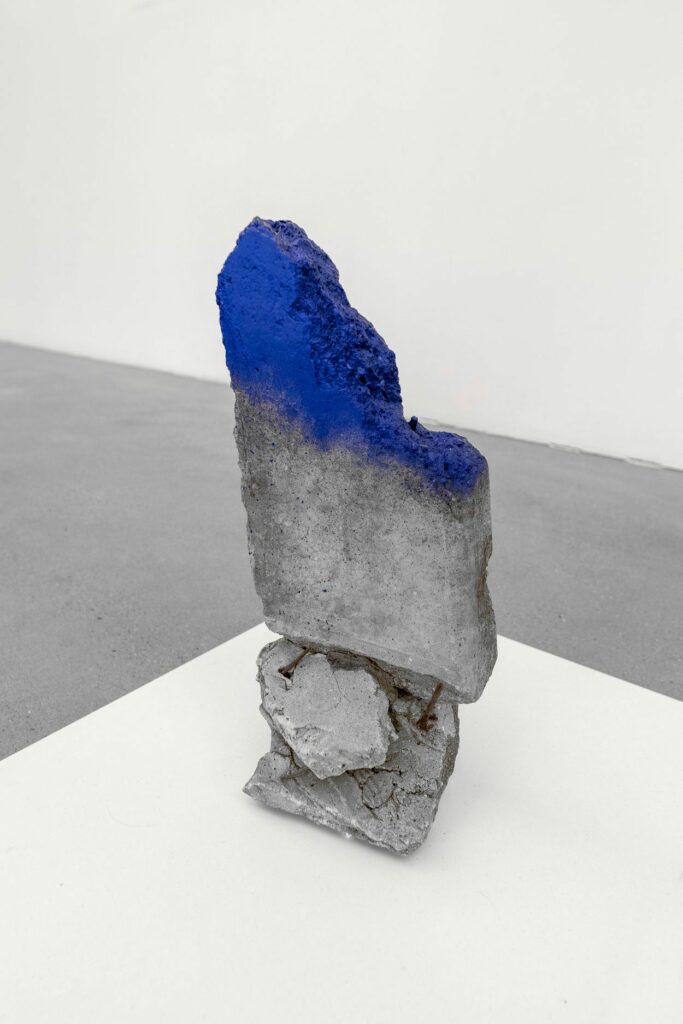
Synesthesia
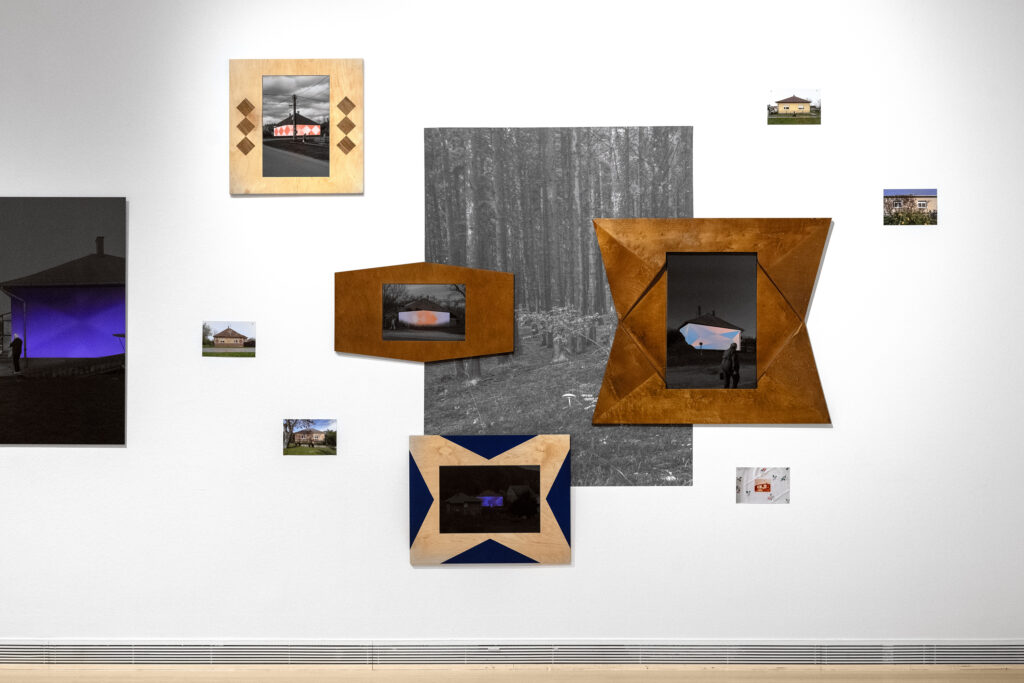
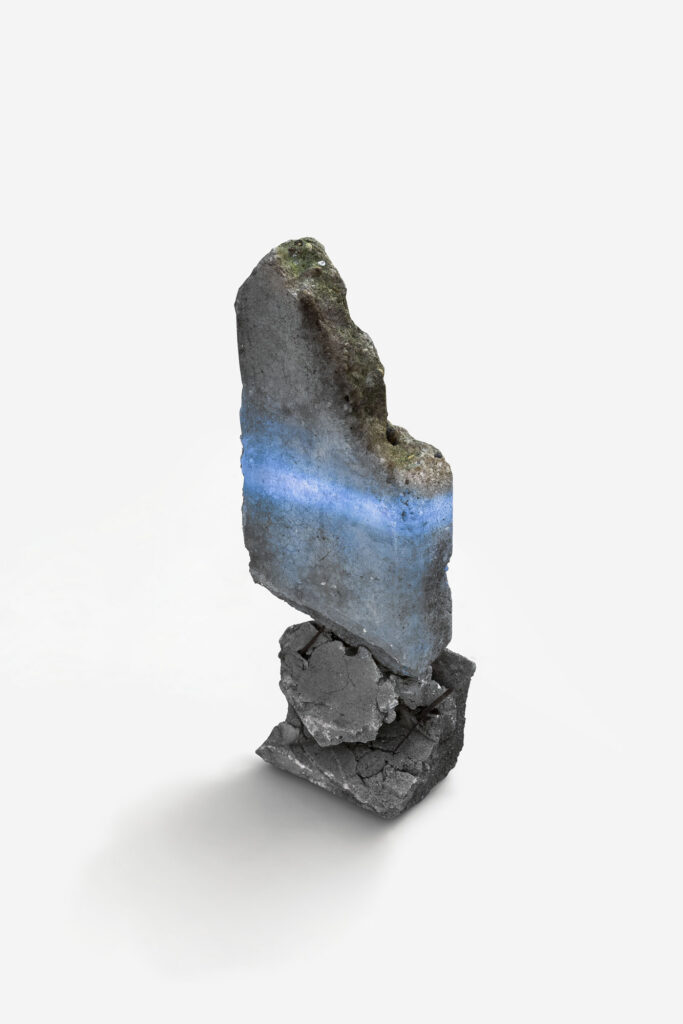
This series examines living environments in a constant state of transformation—abandoned spaces, sites reshaped by gentrification, houses awaiting demolition, and family homes slowly rebuilt over time.
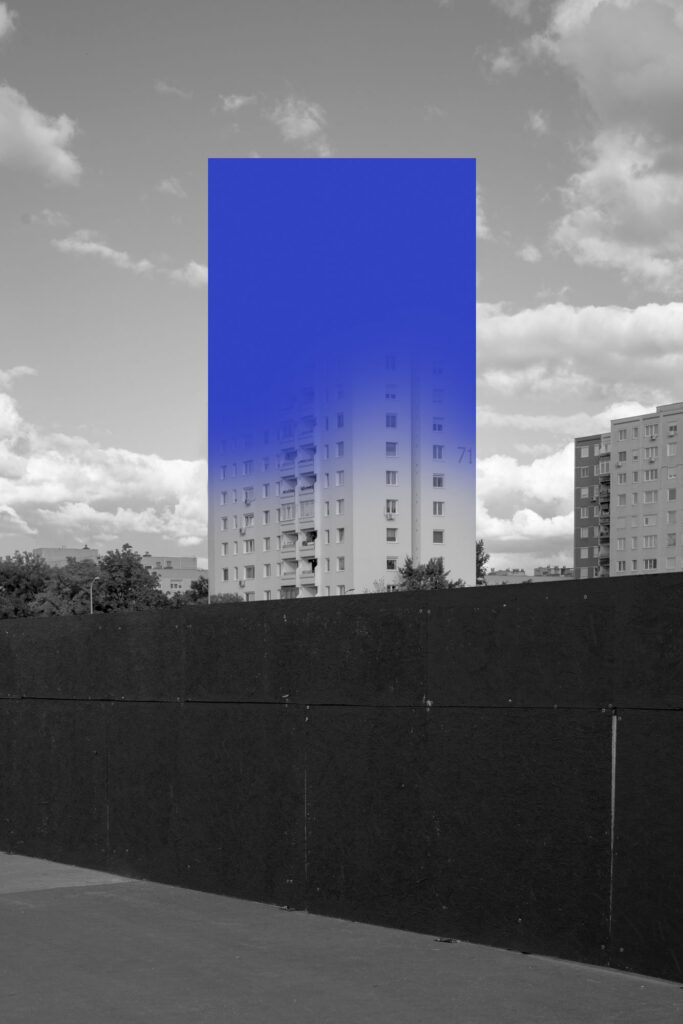
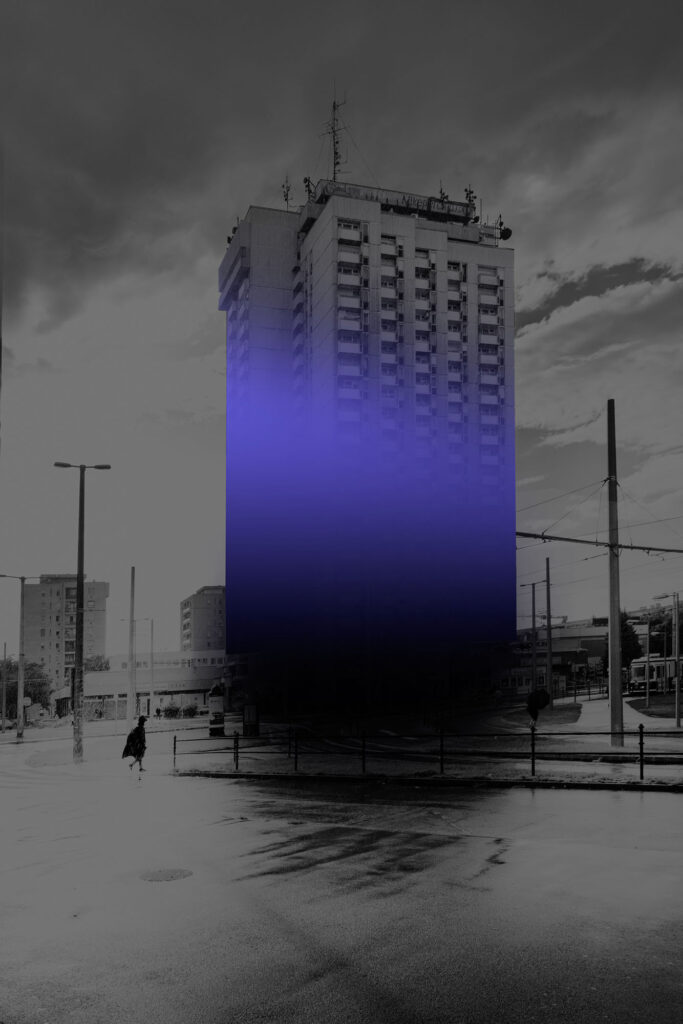
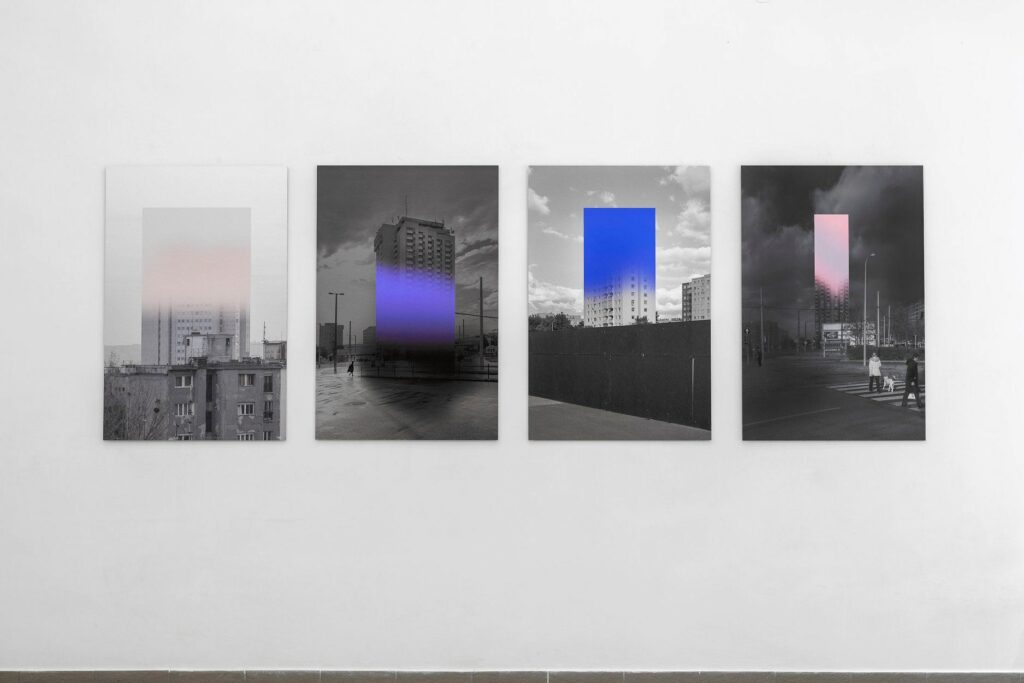
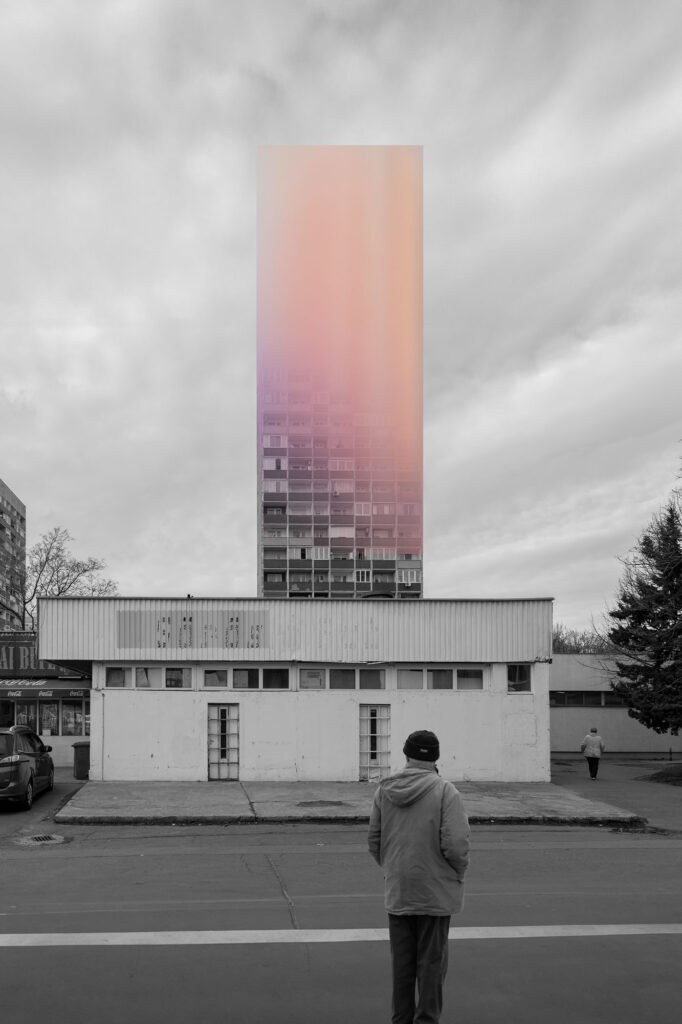
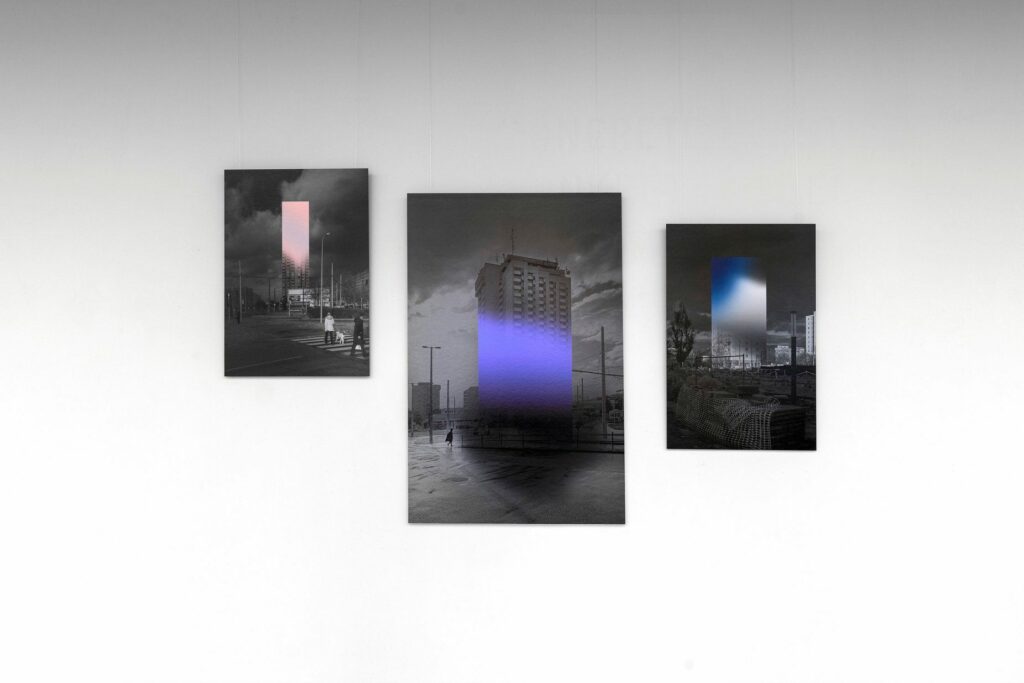
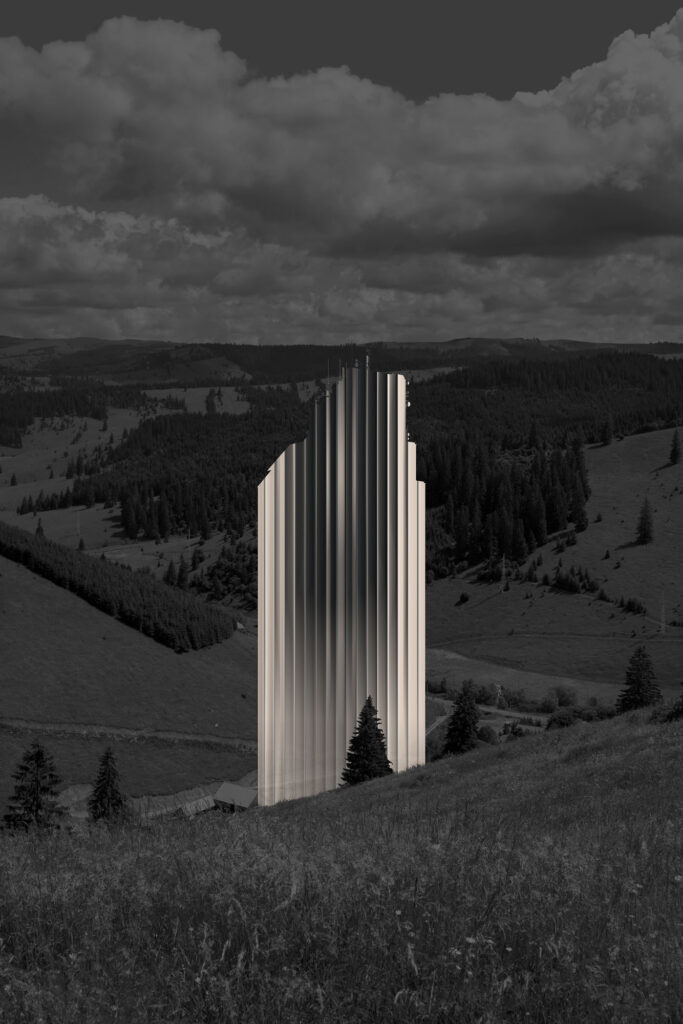
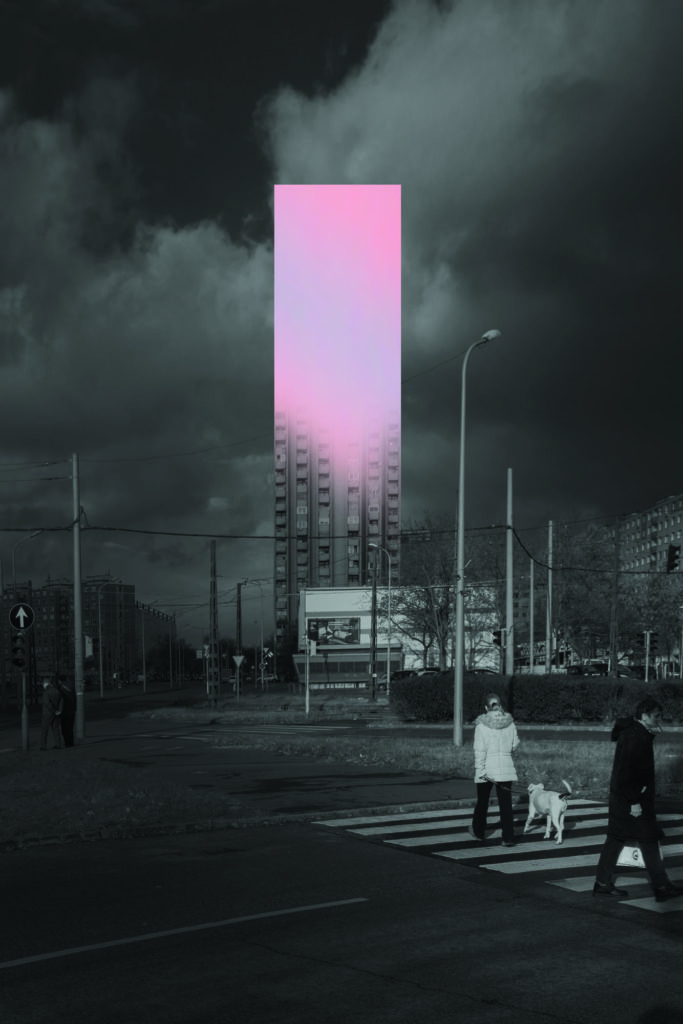
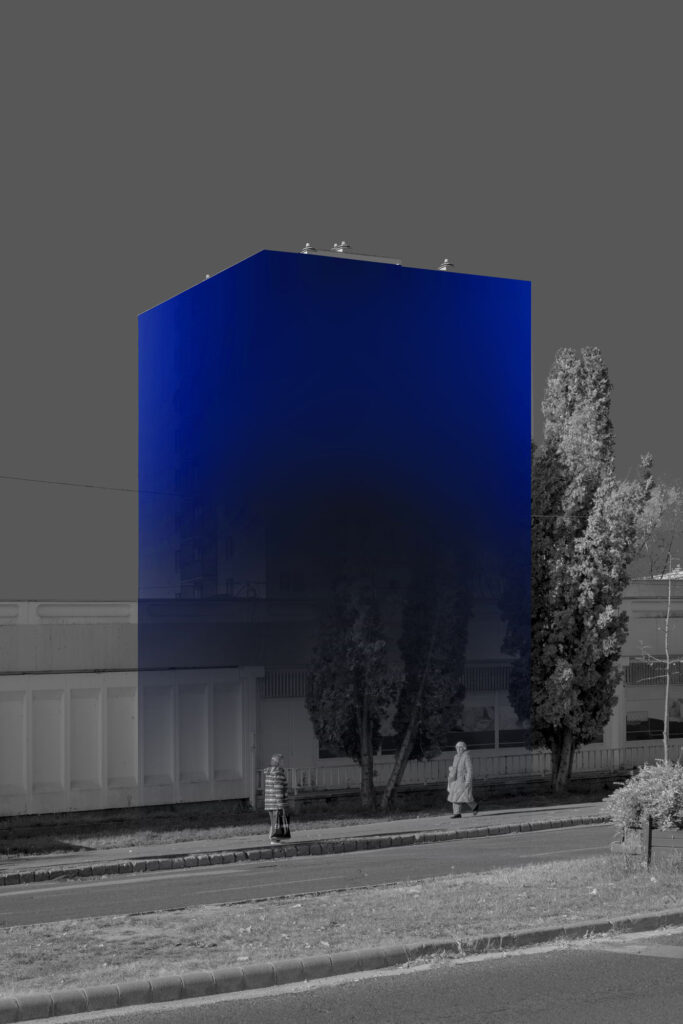
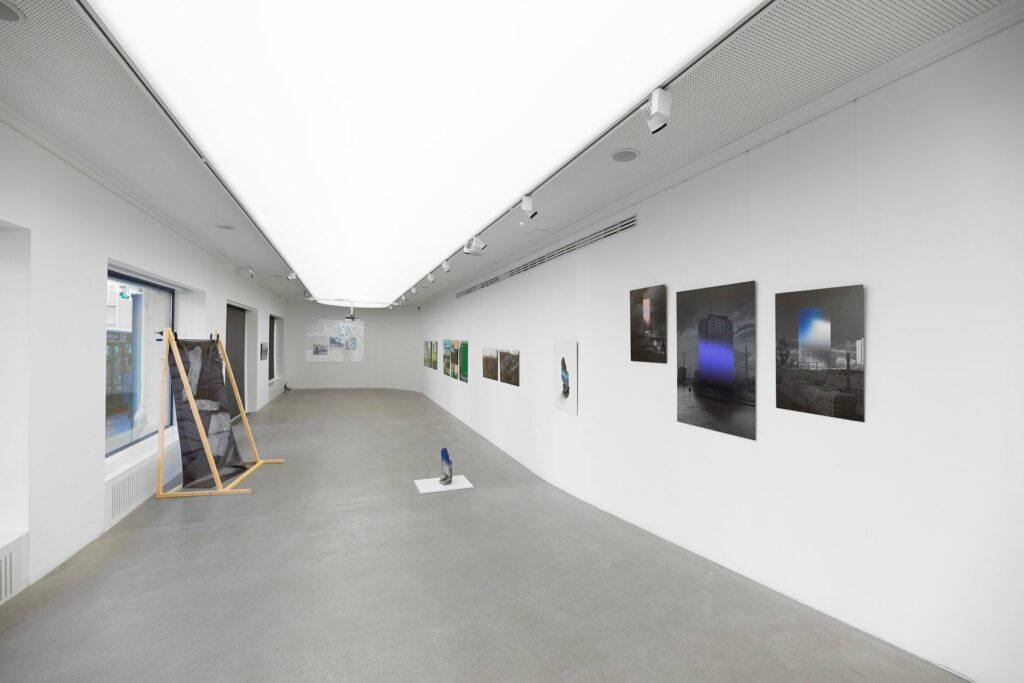
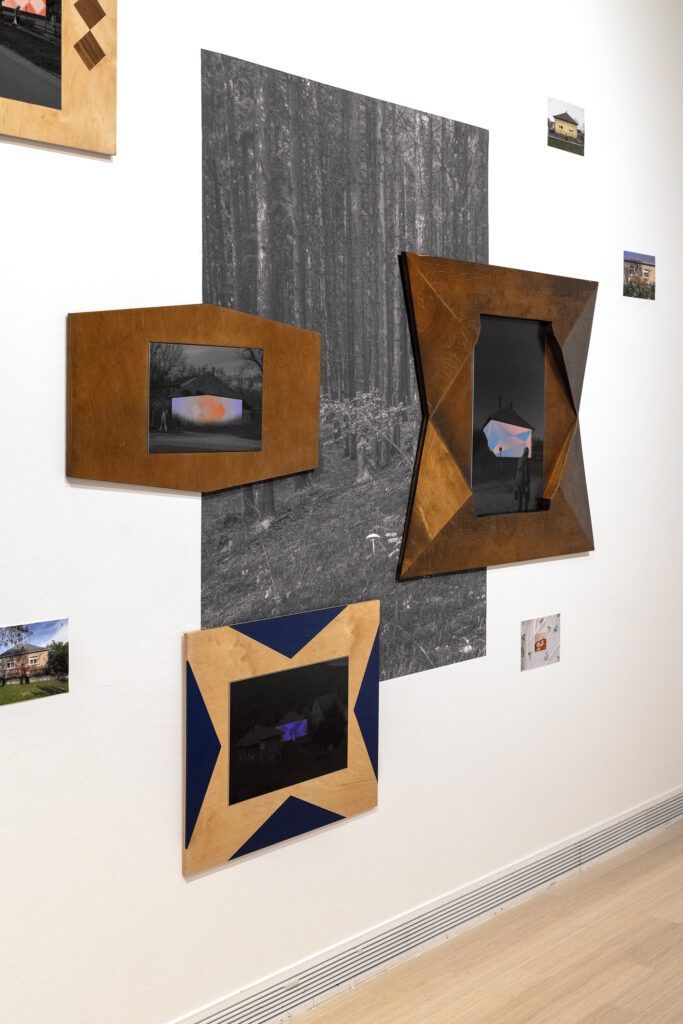
It asks how long such spaces can persist—architecturally and in collective memory—and what responsibility we bear toward the modernist and socialist heritage that is quietly rewritten, transformed, or erased today. Some of the buildings photographed no longer exist; others hover between use and disappearance. Among them are the iconic “Kádár cubes,” once affordable and efficient family homes whose identities are now reshaped by extensions, new insulation, and incremental renovations that erase their characteristic façades. Through digital and manual interventions, these structures become radiant monoliths, anchored by human figures that situate them in time and space. Printed as metallic giclée works, the images shift depending on the viewer’s angle: from one perspective the buildings flare into light, from another they dim into shadow—revealing or concealing surfaces, figures, or entire structures. In this flicker, the works mark the fragile line between presence and disappearance.