What can we learn from tress ?
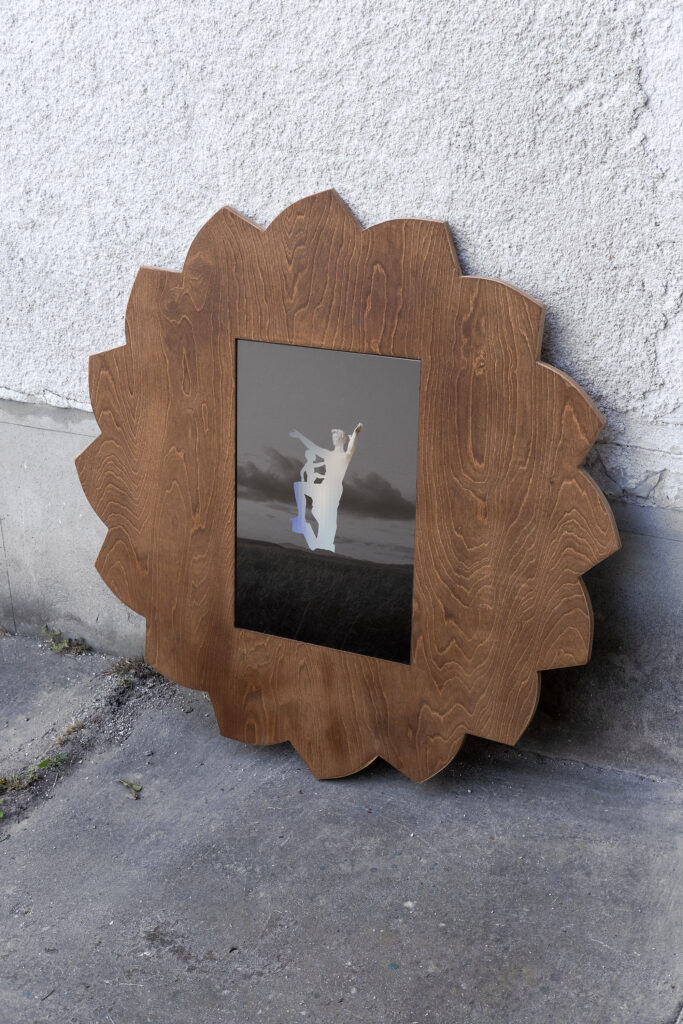
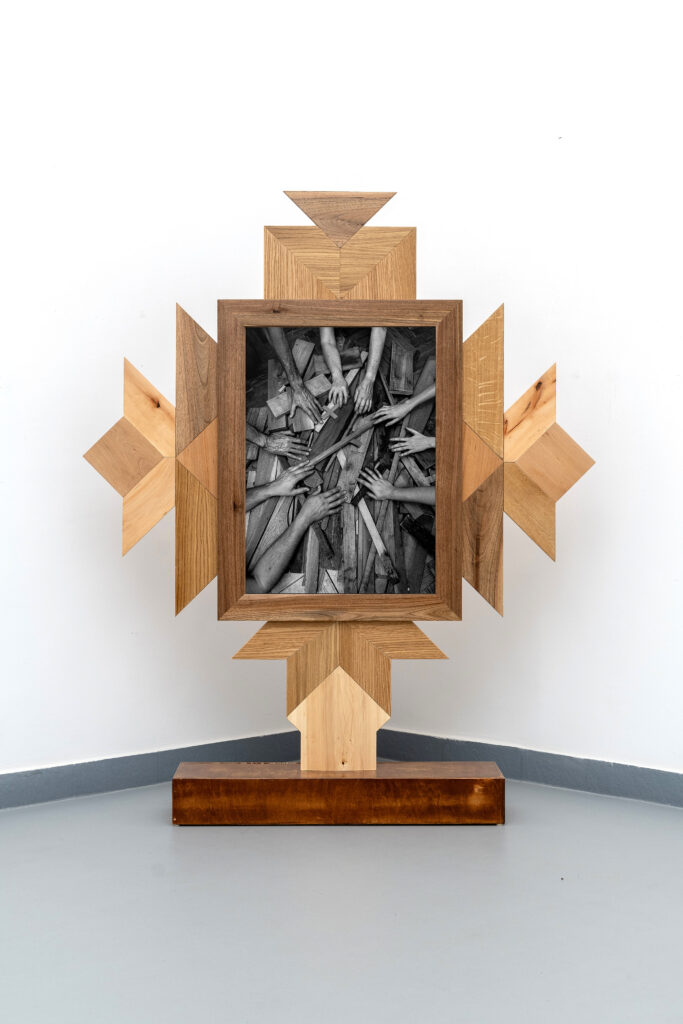
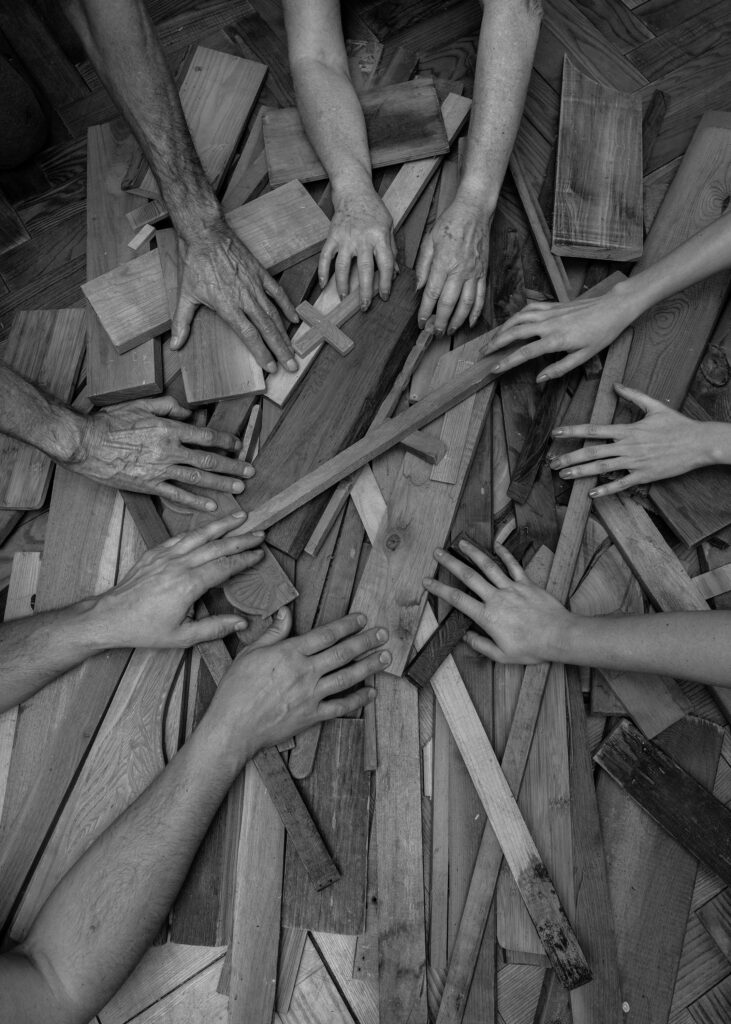
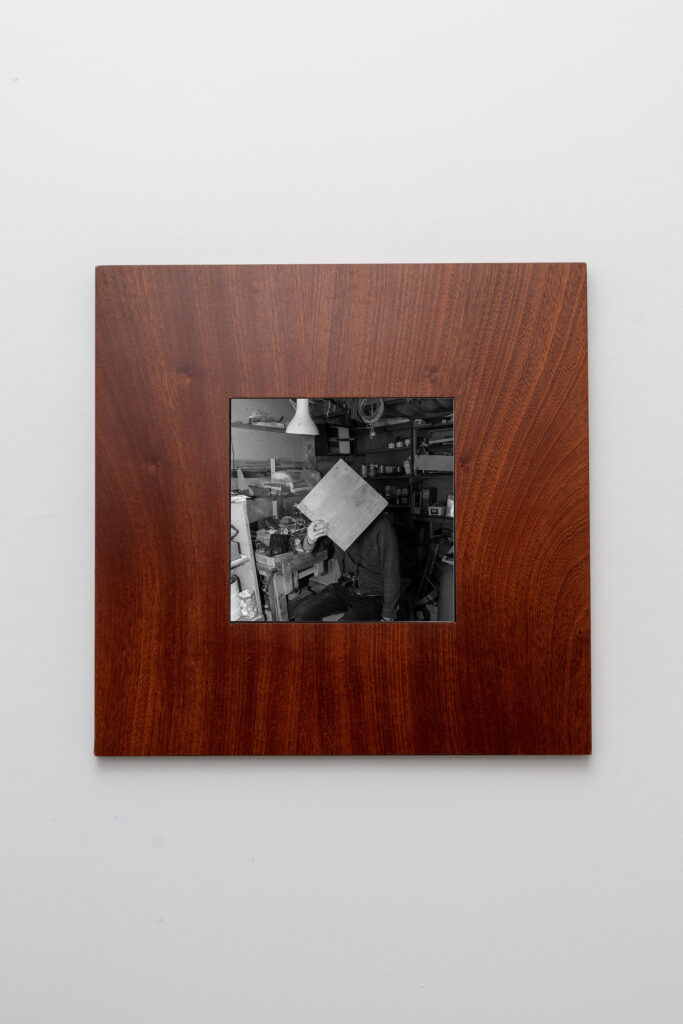
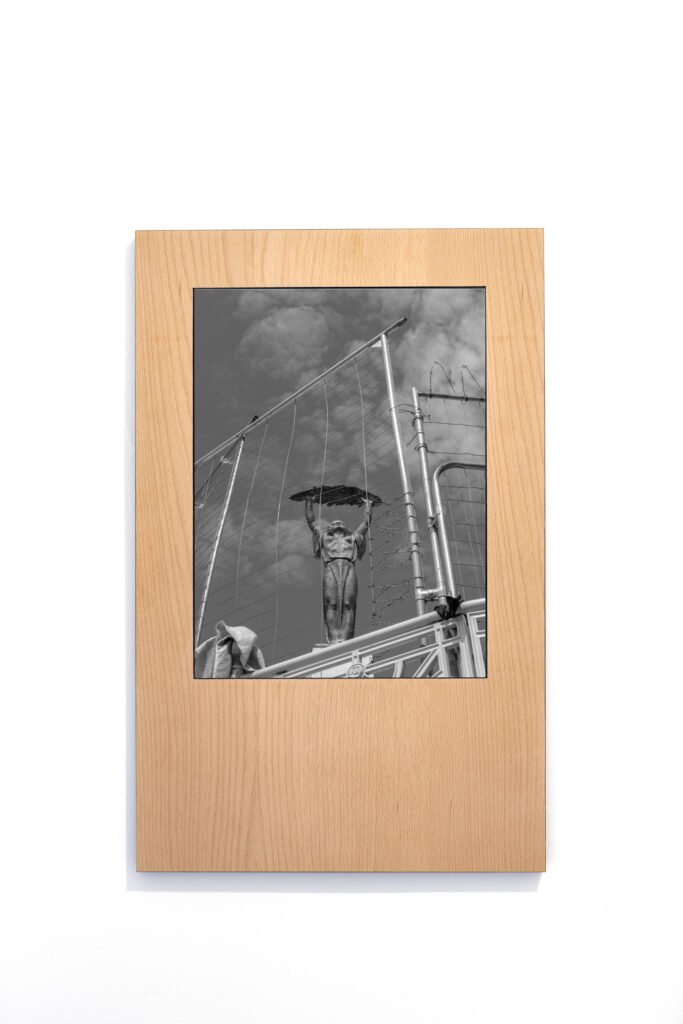
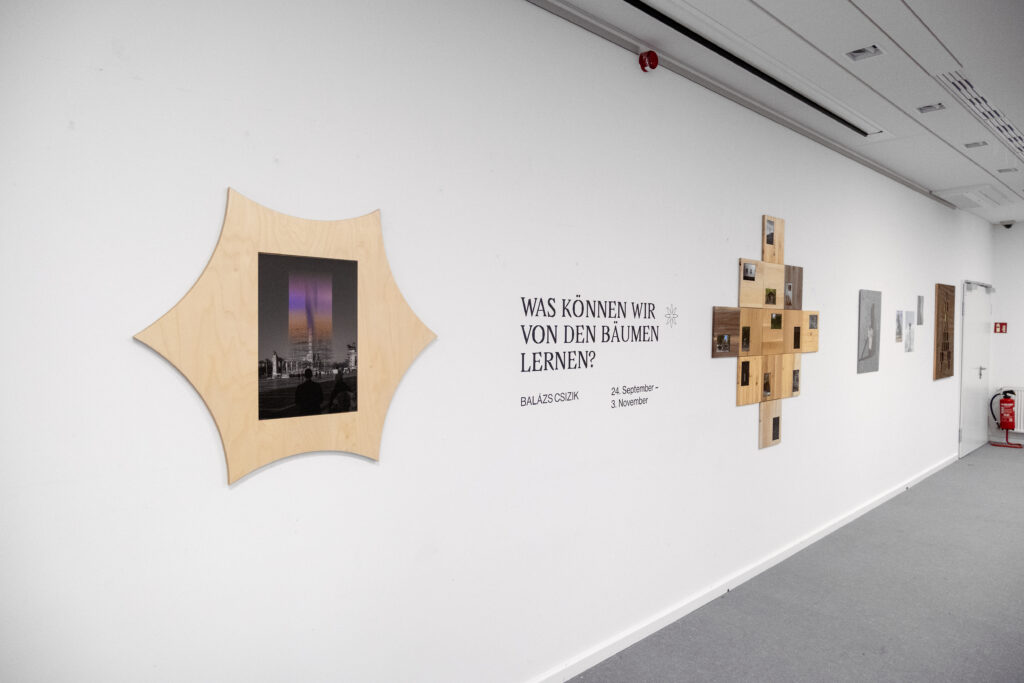
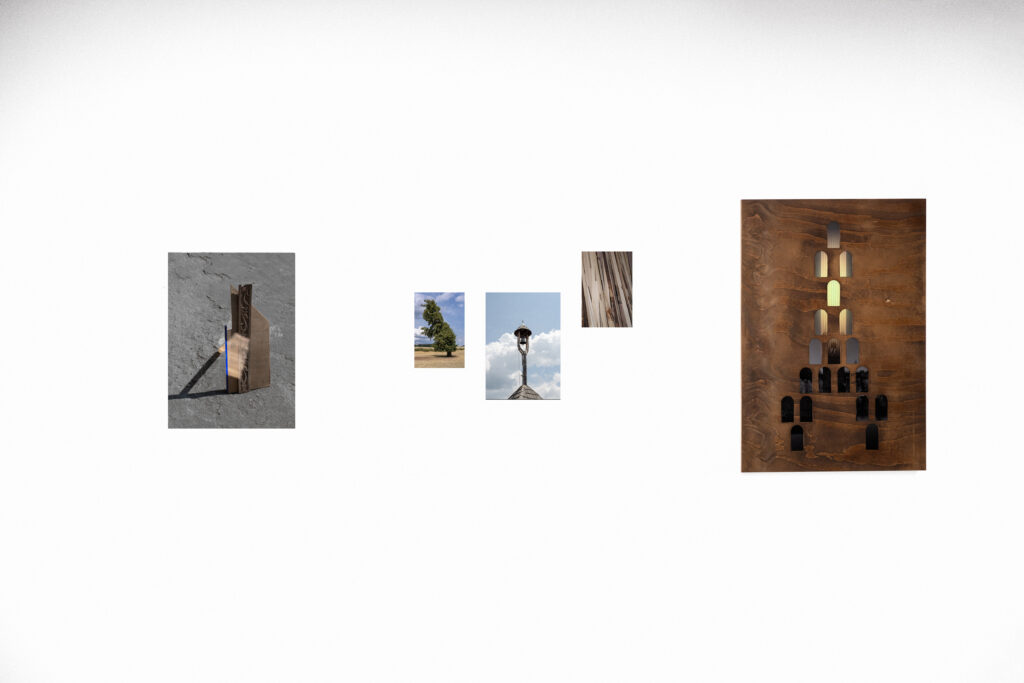
This series unfolds within the space shaped by two defining figures in Balázs’s life—his grandfather and his wife—and the cultural layers they have embedded in him. His grandfather, a folk woodcarver, hoped Balázs would one day continue his craft. After his passing, Balázs inherited his workshop, filled with half-finished objects, incomplete carvings, and stacks of raw, untreated wood. These materials now evolve into installations and photographic objects, carrying on the legacy through a different medium by placing them within the context of his own spaces, memories, and lived experiences.
His wife, who grew up among the pine forests of Székely Land in Transylvania, brought a new way of thinking into his life. Although they share a language, their perspectives, social thinking, mentalities, and family backgrounds differ. Under-standing these differences and building a shared horizon has become a central thread in Balázs’s practice.
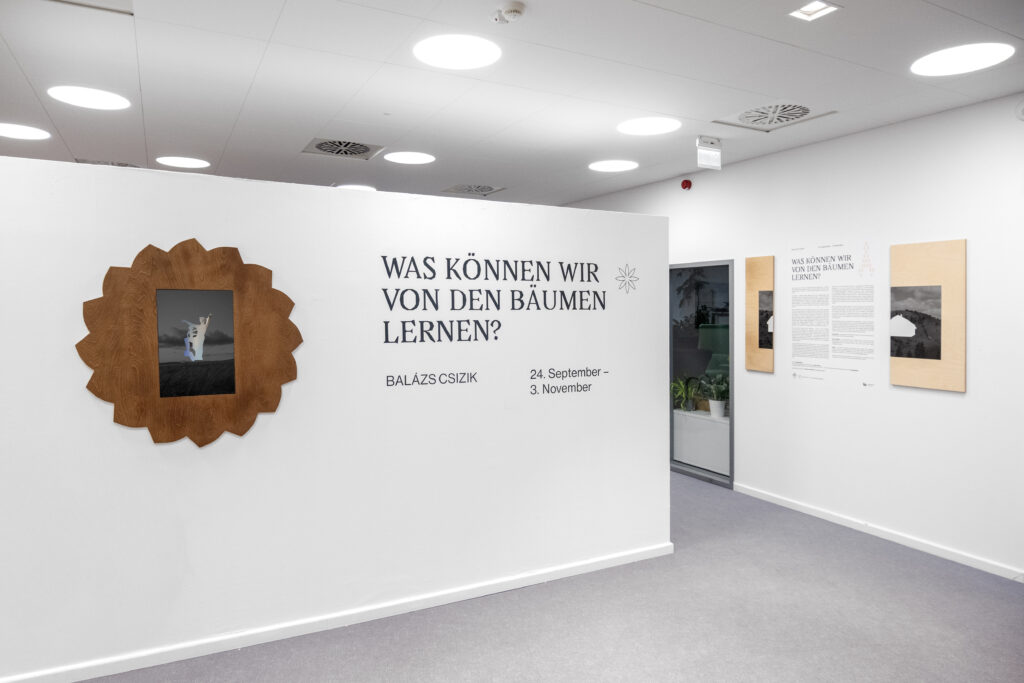
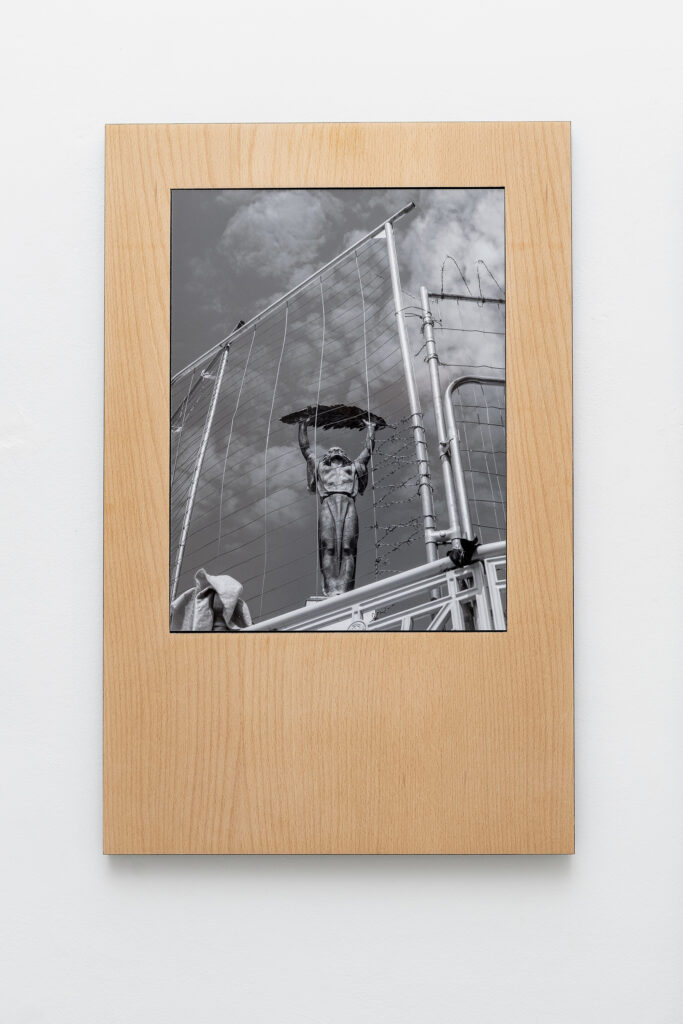
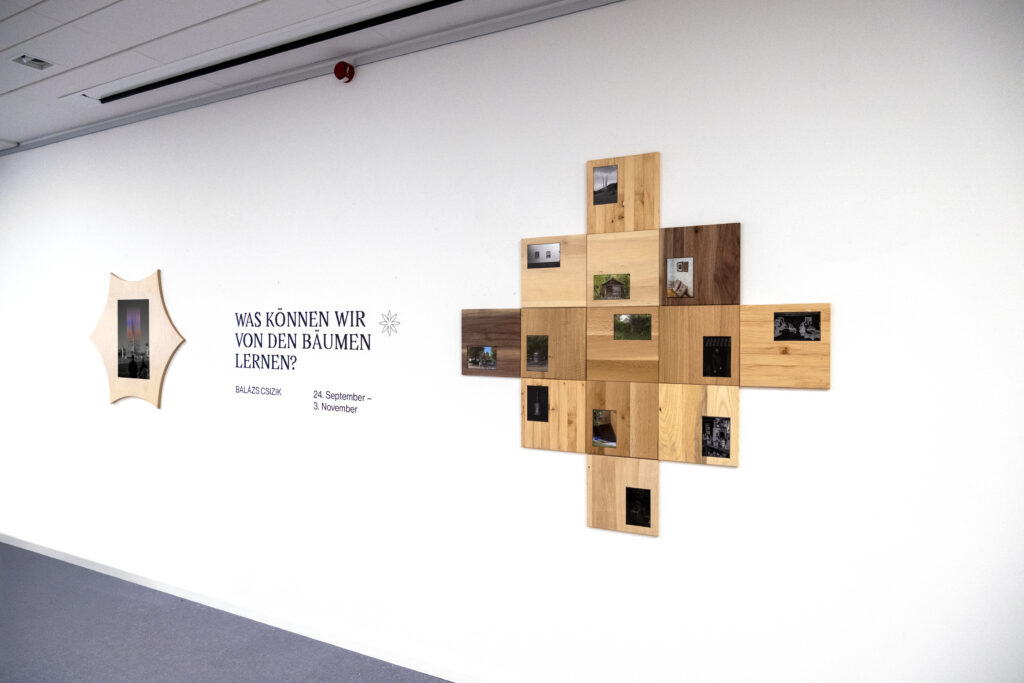
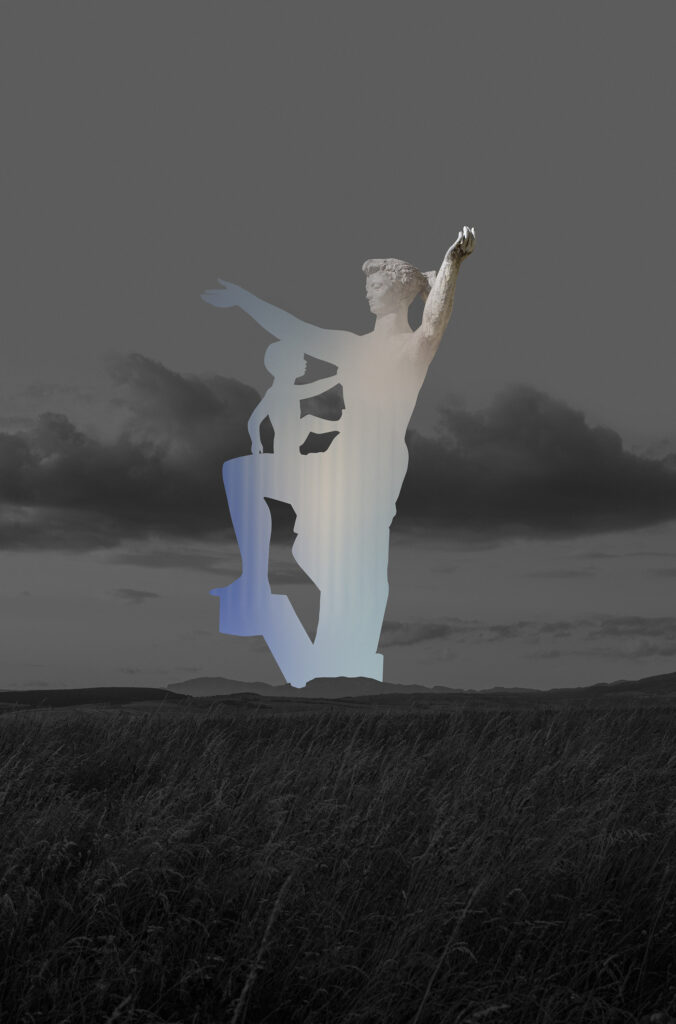
The works weave together fragments from the past—childhood carvings, his grandfather’s unfinished motifs, and wood saved “for later”—with contemporary visual gestures. Sculptural interventions, such as a reconstructed kopjafa or the silhouette of his childhood home placed within his wife’s landscape, make visible the tension between origin and self-definition. This series becomes a dialogue between inheritance and self-construction— between traditions received and futures chosen. Each layer, whether carved, reinterpreted, or carried forward reveals itself through the material language of wood.